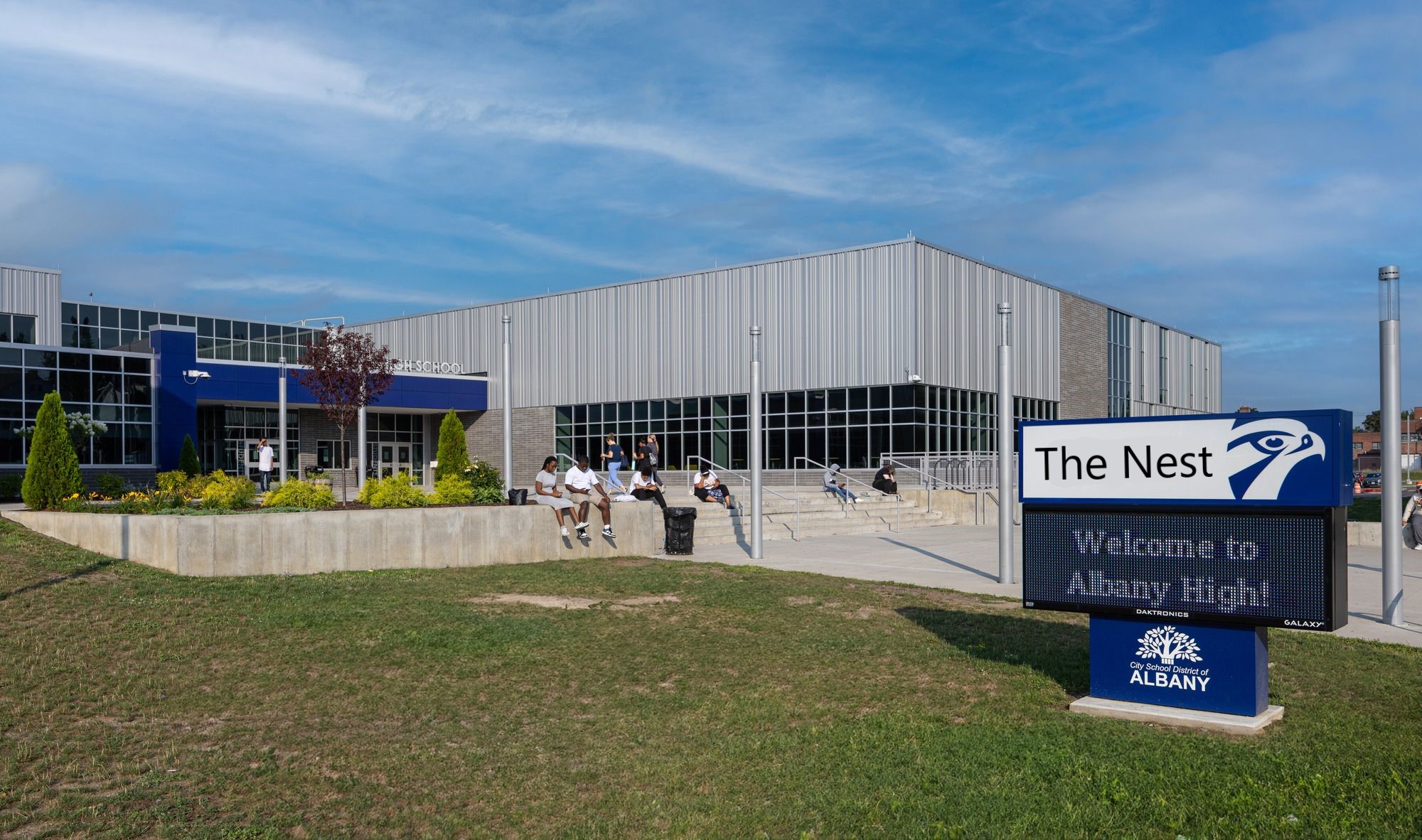

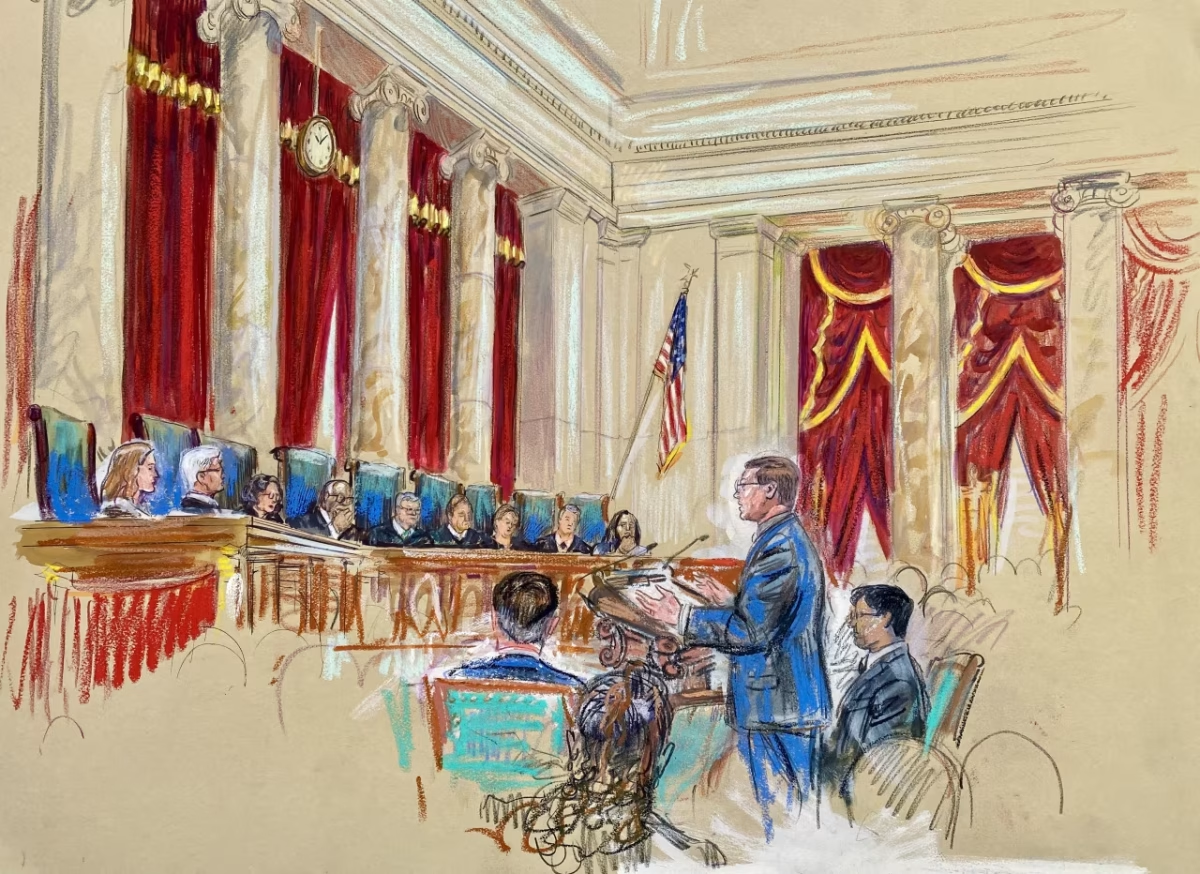
On Tuesday January 13 oral arguments began in two separate cases -from Idaho and West Virginia- regarding the banning of transgender girls in school sports. Both cases argue that this banning violates Title IX, which prohibits sex discrimination in schools that receive federal funding as well as the equal protection clause of the 14 Amendment. However, these cases are fundamentally different, with Idaho’s involves Boise State University banning a college student from trying out for the woman’s varsity track team. Whereas West Virginia sees a middle school student barred by state law from participating in school sports. Regardless, both cases were blocked in lower courts on the grounds that the laws behind them were discriminatory on the basis of sex.
To date 27 states have enacted laws that bar the participation of transgender athletes in school sports- Idaho being the first- with supporters positing that they promote fairness, protecting against individuals assigned male at birth and the advantages they may have. However two states, California, and New York have laws that specifically protect trans girls and their ability to participate in school sports. According to the Williams Institute of UCLA Law School, there are roughly 122,000 transgender high school athletes, which is just over 1% of the 8 million teen athletes nationwide. The right for Trans people to participate in school sports is the latest battle in the larger culture war in America, and this specific issue is only really affecting trans women.
Oral arguments lasted about three and a half hours with the majority of justices appearing to agree with the states and that the laws can remain in place, although the full extent of the ruling is still up in the air as the three liberal justices have attempted to narrow the scope of the cases throughout. This is no more clearly demonstrated then this statement from Justice Brett Kavanaugh “given that half the states are allowing … transgender girls and women to participate and about half are not, why would we at this point … jump in and try to constitutionalize a rule for the whole country while there’s still uncertainty and debate?” This issue is quite messy, with the naturally complex state of human identity and the lack of scientific consensus, any law banning specifically transgender women from school sports serves to flatten the nuances of the human experience.
A decision is expected by the end of June.